5 Beltaine Traditions Worth Observing (And the Folklore Behind Them)
A Kindred Club Preview
On April 30th as the sun drops below the horizon, Beltaine begins.
This is how time was understood in the older Gaelic reckoning. The day begins in darkness, not in light. The year follows the same logic. Samhain opens the dark half, Beltaine opens the light. If you've been watching the wheel with me for any length of time, you know I follow this rhythm. The new day starts when the sun goes down.
If you want to get more precise, some observe Beltaine when the sun reaches 15° Taurus — the astronomical midpoint between the spring equinox and summer solstice. That falls somewhere around May 4-6 each year. Both are legitimate. So is observing it across the whole month. Give yourself grace with the timing and mark it when it's right for you.
And while we're here, Beltaine means the month of May in Old Irish — and still does in Modern Irish today. You'll see "Bel's Fire" floated as the etymology, named for some Celtic sun god. That connection has been largely dismissed in modern academic circles. If you want to go deeper on the language and history, Lora O'Brien has done excellent work on this — read it here.
One more thing before we get to the good stuff — and I say this with love and also some genuine irritation.
Beltaine is technically a Celtic festival, but more precisely it's Gaelic — observed by the peoples of Ireland, Scotland, the Isle of Man, and Wales. Those are distinct cultures with their own nuances, their own stories, their own ways of marking this moment. They are not a monolith. The Celtic world is even broader than that — it covers far more territory than Gaelic alone. I just think it matters that we hold that when we're finding our way into these traditions. It's part of working with them respectfully rather than flattening them into content.
These observances are also, at their root, deeply practical.
This was a threshold moment in the agrarian year — time to move to summer pastures, for women and men to go to different places to do different kinds of work, to be apart for months at a stretch. The fertility and sexuality woven through Beltaine aren't symbolic abstractions. They're logical. One last romp before a long separation. And if you conceived around now, you'd be delivering around Imbolc — the hard work of summer and harvest was behind you, the final trimester falling in the season when there was nothing to do but rest, keep company, and wait for spring.
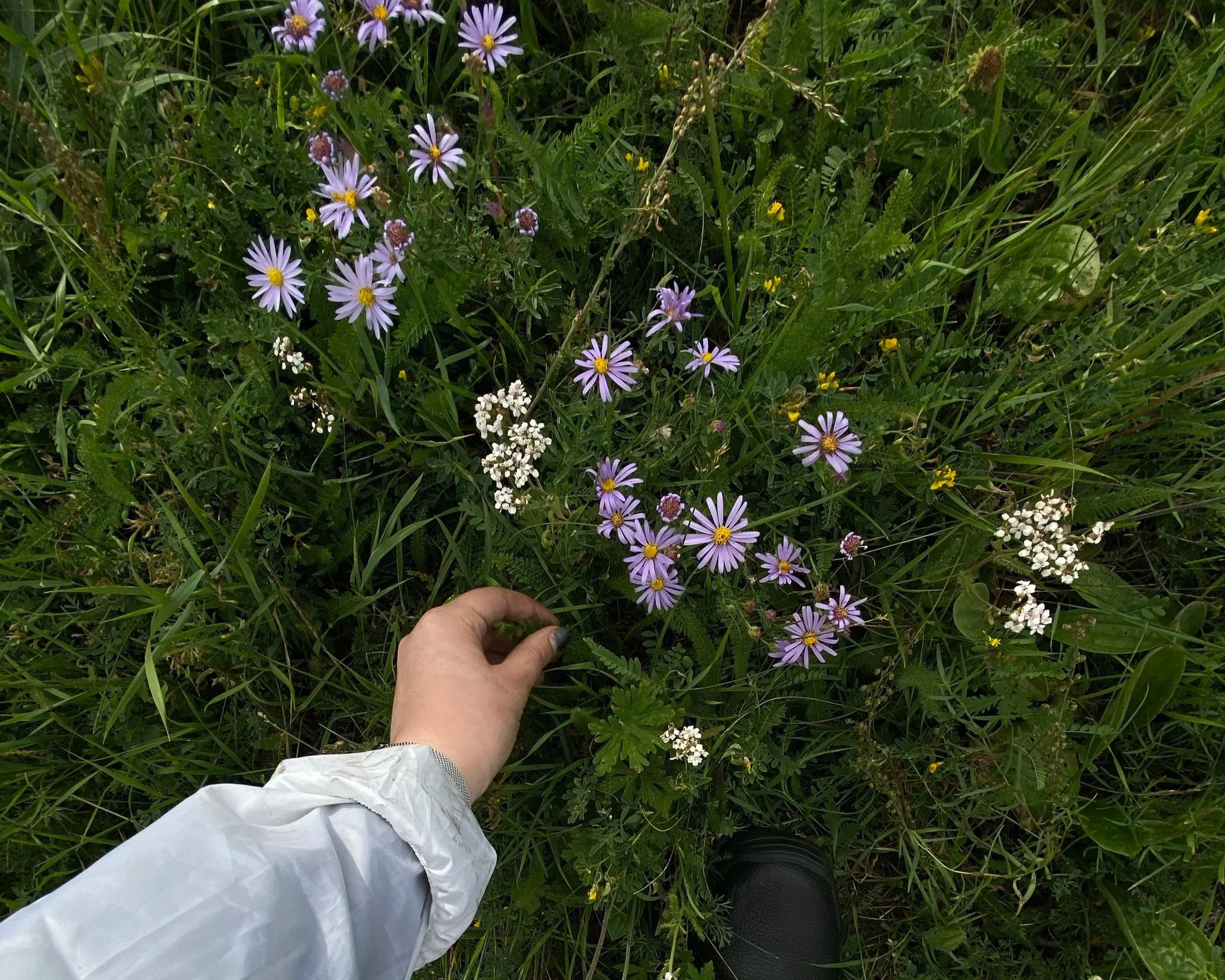
Of course the land is in it too. Even out along my own hedgerow right now, the bees are thick in the bramble and wildflowers, the greenery has taken over, everything is pushing forward. That abundance is real and it's part of this. But I want you to feel how earthed these traditions are — in bodies, in seasons, in survival, in community.
5 ways to observe, if you're called
Flowers at your threshold. Place flowers across your doorstep or entrance to your home tonight — an offering and a protection, a gesture toward the good neighbors who share this land with us.
Rowan for the cattle, witches at the churn. In the folk tradition, rowan branches were placed near livestock to protect them from fairy mischief — and dairy was considered especially at risk. Cabins and dairies were locked on May Eve to keep the fairies from taking the milk and butter. There are whole accounts of witches and cailleachs going house to house at this time, pulling ropes through the dew to steal the luck of your churning. If you had no protection at your threshold, all your efforts would yield nothing but froth. Dairy was livelihood. You guarded it accordingly. If you want to leave an offering of cream, honey, or butter for the good neighbors, that's also well within the tradition — dairy and honey left at fairy trees and wells was common practice.
The May bush. In parts of eastern and midland Ireland, a thorn branch would be cut and decorated — ribbons, flowers, the painted eggshells left over from Easter. Some hung candles in the branches. Some burned the bush as part of the celebration itself. There are accounts of groups carrying their bush from village to village, keeping close watch over it — a stolen May bush meant your luck went with it. If you have a tree or flowering bush near your home, tying ribbons or scraps of fabric to the branches is an easy way into this one.
Light a fire. If you can gather people for it, do that. Even a candle works. The fire is the heart of the observance — purification, protection, transition into the light half of the year.
Morning dew at sunrise. Rise before the sun tomorrow and wash your face in the dew. There's an old Irish riddle that goes: "I wash my face in water that has never rained nor run, and dry it in a towel that was never wove nor spun" — a face washed in May dew and dried in the open air. The tradition holds that dew gathered on Beltaine morning brings beauty and youth for the year to come. This one's worth the early alarm.
Come find your people
If this is the kind of thing you want more of — moon guides, seasonal forecasts, folk practice rooted in actual tradition, and a community of people exploring their paths, together — Kindred Club is where it lives.
This post is a preview of the kind of content members receive regularly. Inside you'll find full moon and new moon guides, seasonal astrology forecasts, weekly rhythms, and a growing library of resources built for practitioners who want depth over decoration.
Doors are open. Come find your people.

Meet the High Witch
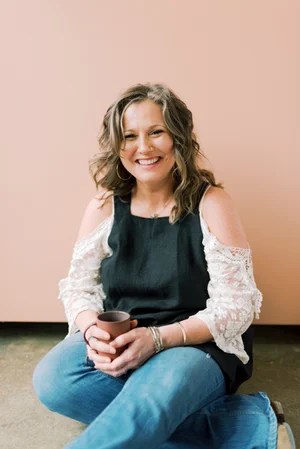
Erin Harker
I'm Erin Harker, a practitioner of ancestral magic and student of Druidry whose path weaves together Irish, Scottish, and German heritage with modern spiritual practice. My journey began in childhood with candlelit spells and family traditions, growing into a devotion to sacred hospitality and community care. Today, I serve as a bridge between worlds—helping others reconnect with their own magic through community, workshops, and spiritual guidance. Whether you're just beginning your journey or returning to a practice long forgotten, you'll find a welcoming space here where ancient wisdom meets modern needs.
Let's brew some tea and explore the magic that's uniquely yours.
Ready to deepen your practice?
Join our Kindred Club for rituals, workshops, and community
Sign up for our newsletter to receive moon phase guides and magical tips